
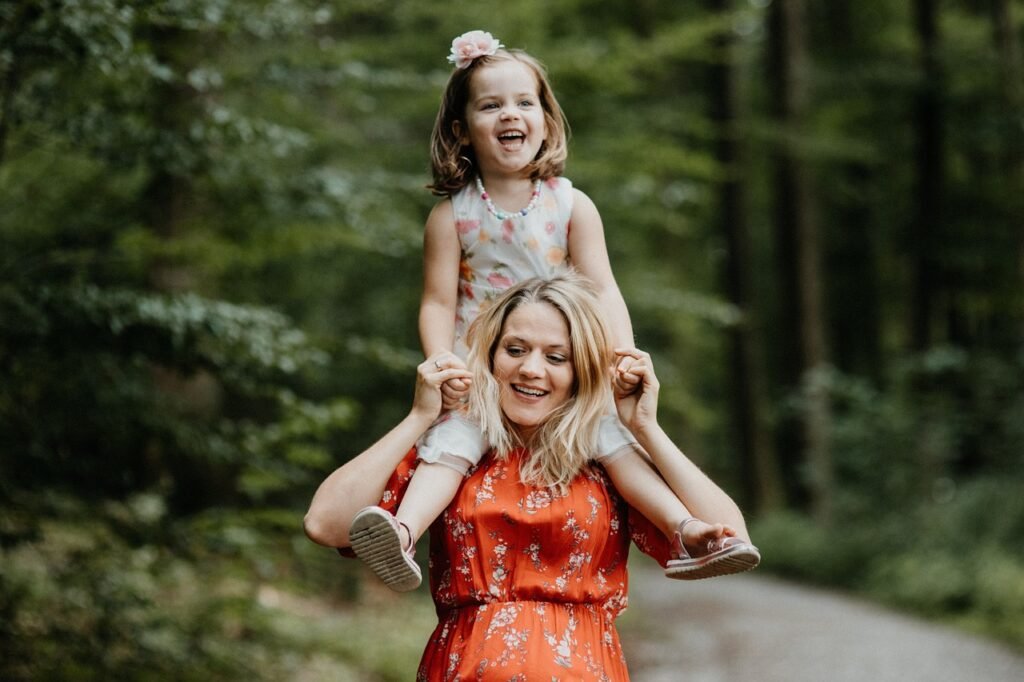
Can single people foster children? Understanding the eligibility and requirements
Many single individuals wonder if they can foster children. The good news is that single people are indeed eligible to become foster parents. In fact, many children in the foster care system crave a loving and stable home, and single caregivers can provide that nurturing environment. Understanding the eligibility and requirements can help you make an informed decision.
Who Can Foster?
Fostering is open to a wide range of individuals. Here are some general qualifications that single people need to meet:
- You must be at least 21 years old.
- You need to have a stable income that can support yourself and the child.
- A background check will be required, which includes criminal history and child abuse clearances.
- You must be able to provide references who can attest to your character and parenting abilities.
- The ability to undergo home assessments, which are part of the evaluation process.
It’s important to note that every state may have its own specific requirements. Therefore, checking with your local foster care agency is crucial to understand the exact guidelines in your area.

Understanding the Process
Fostering starts with an application. Once you decide to move forward, the process generally includes these steps:
- Application Submission: Fill out the necessary forms and provide documentation of your identity, employment, and financial stability.
- Home Study: A social worker will conduct an in-home visit. This is to evaluate your living situation and ensure it’s suitable for a child.
- Training Sessions: Many states require foster parents to complete training courses. These courses cover real-life scenarios that foster parents may face.
- Placement: After approval, you will be matched with a child based on your home environment and the needs of the child.
Benefits of Single People Fostering
Fostering can be rewarding, especially for single people. Here are some benefits:
- Flexibility: As a single foster parent, you may have more flexibility in your schedule. This can help you devote more time to your foster child.
- One-on-One Attention: A single parent can provide focused care and attention, meeting the unique needs of a child more effectively.
- Creating a Close Bond: Children often thrive on personal connections, and having a single caregiver can foster strong emotional bonds.
- Diverse Family Structures: Having single foster parents adds diversity to the types of homes available for children, offering different perspectives and experiences.
Challenges to Consider
While fostering as a single person has its rewards, it can also present challenges. Be prepared to face the following:
-Could You Be A Foster Carer? Read More – https://fostercareagencies.co.uk/is-fostering-for-you
- Emotional Strain: Caring for a child with a troubled background can sometimes be emotionally taxing, requiring strong coping mechanisms.
- Support System: Ensure you have a solid network of family and friends to help you, as it can be tough to manage everything alone.
- Time Management: Balancing work, life, and the responsibilities of fostering can be complex and require good planning skills.
Resources Available for Single Foster Parents
If you’re considering fostering as a single person, here are some resources that may help you:
- Local foster care agencies can provide information specific to your area.
- Support groups for foster parents offer emotional support and networking opportunities.
- Online forums and social media platforms have communities where foster parents can share their experiences and advice.
Single people can foster children! It’s a courageous step that can greatly impact both your life and the life of a child in need. If you feel this is something you want to explore, reach out to your local foster care agency to get started. Your single status does not limit your ability to provide a loving and supportive home to a child awaiting foster care. You can make a meaningful difference, one child at a time.
The impact of single-parent fostering on children’s development
Single-parent fostering has gained attention as a viable option for many children in need of a stable home. When single individuals open their hearts and homes to foster children, they embark on a journey filled with challenges, rewards, and significant impacts on a child’s development. Understanding how single-parent fostering affects children’s growth can help reshape perceptions and contribute positively to the fostering community.
One of the primary impacts of single-parent fostering on children’s development involves emotional resilience. Children placed in single-parent foster homes often experience trauma and instability. A single foster parent can provide a unique environment where children learn to adapt and thrive despite their past experiences. The one-on-one attention and dedicated support they receive can help them develop better coping strategies, building emotional strength over time. This fosters a nurturing atmosphere where children feel safe to express their emotions.
Additionally, discipline and structure in a single-parent foster home can be notably effective. Single parents often establish clear, consistent routines which can greatly benefit children’s behavioral development. A stable routine offers children the predictability they may have lacked in previous homes. Knowing what to expect each day can lead to a sense of security, ultimately fostering a strong foundation for growth in various areas including education and social interactions.
Another crucial aspect of single-parent fostering is the role of relationship building. Single foster parents can provide unique opportunities for children to strengthen their interpersonal skills. They often engage in deeper conversations, encouraging children to communicate openly. This engagement helps kids learn how to express their feelings and thoughts, fostering social skills that are critical for their future relationships. Here are some key relationship-building opportunities:
-Could You Be A Foster Carer? Read More – https://fostercareagencies.co.uk/is-fostering-for-you
- One-on-One Time: Single parents tend to spend more quality time with their foster children, allowing for deeper connections.
- Open Dialogue: Encouraging open discussions about feelings can help children articulate their emotions better.
- Conflict Resolution: Navigating disagreements can teach children valuable negotiation and problem-solving skills.
- Co-Parenting with Other Adults: Involving other responsible adults in their lives creates a support network for the child.
Furthermore, educational outcomes can also thrive under single-parent fostering scenarios. Research indicates that children in foster care often perform better academically when they receive individual attention. A single foster parent can focus on homework, school projects, and life skills training without the distractions found in larger families. By prioritizing education, children can develop a more positive outlook toward their academic journey.
The social environment in single-parent foster homes often contributes positively as well. These homes provide environments that discourage negative influences and foster healthy friendships. Single-parent foster parents typically have a keen understanding of their child’s friends and social circles, making it easier to encourage healthy relationships while discouraging harmful behaviors. This careful management helps children learn valuable social cues and engage positively with others.
Moreover, fostering alone can also empower single parents. This empowerment not only boosts their confidence but, in turn, positively impacts the child. When children witness their foster parent taking charge, advocating for their needs, and engaging with the community, they learn the importance of perseverance and self-advocacy. Children gain a sense of pride from seeing their caregiver’s dedication daily.
However, it’s crucial to acknowledge the potential challenges single foster parents may face. Balancing work, household responsibilities, and fostering duties can be overwhelming. It’s vital for single parents to have a support network that includes friends, family, and local fostering agencies. This network can provide the emotional and practical support necessary for managing stress and ensuring a healthy environment for the child.
In sum, single-parent fostering plays an essential role in children’s development. It offers emotional stability, fosters important life skills, enhances educational outcomes, and builds strong relationships. By creating a loving, structured environment, single foster parents not only change the lives of children but also contribute positively to the community at large. This path, while challenging, ultimately provides profound benefits, making it a commendable choice for those looking to foster a child in need.
Support systems for single individuals looking to foster children
Fostering children is a noble decision, and many single individuals find themselves drawn to this path. However, starting the journey can be daunting without the right support systems in place. Understanding the available resources can make a significant difference in navigating the fostering process successfully.
-Could You Be A Foster Carer? Read More – https://fostercareagencies.co.uk/is-fostering-for-you
Single people can certainly foster children, but they often need to consider several support systems to help them along the way. Here are key areas they can focus on:
Connect with Local Foster Care Agencies
Your first step should be to connect with local foster care agencies. These organizations can provide essential information about the fostering process. They often offer training sessions that prepare you for the responsibilities of fostering children. Additionally, they can guide you in finding support networks in your community.
Join Support Groups
Connecting with others in similar situations is invaluable. Support groups specifically designed for foster parents can be found both in-person and online. These groups give you the chance to share experiences and gain insights on handling challenges that may arise. Here are some helpful types of support groups to consider:
- Community-based local support groups
- Online forums and Facebook groups
- Peer support networks specifically for single foster parents
Seek Out Mentorship
Finding a mentor who has experience in fostering can be incredibly beneficial. A mentor can offer real-life insights, emotional support, and practical advice. They may guide you through common challenges new foster parents face, helping you feel more confident as you begin the process.
Utilize Professional Counseling
The emotional aspects of fostering can be overwhelming at times. Professional counseling can provide a safe space for you to express your feelings and fears about fostering. Mental health professionals can help build coping strategies and ensure you’re emotionally ready to welcome a child into your home.
-Could You Be A Foster Carer? Read More – https://fostercareagencies.co.uk/is-fostering-for-you
Engage with Friends and Family
Your personal network can be a significant asset. Friends and family members can provide emotional support, offer help when needed, and even take on roles such as babysitting or transportation. Sharing your intentions to foster with them can create a strong support network, enhancing your confidence and capability as a foster parent.
Educate Yourself on Parenting Resources
Being a foster parent requires a unique understanding of child development and trauma-informed care. There are countless resources available for learning about these topics. Consider the following:
- Books on parenting and child psychology
- Webinars and workshops focusing on fostering
- Podcasts featuring interviews with foster parents
Look into Financial Assistance Programs
Fostering a child can be financially taxing. Understanding what financial support is available is crucial. Many states offer financial assistance to foster parents for the care of children in their homes. Research your local resources and learn about grants or subsidies that may be available.
Make Use of Online Resources
In today’s digital world, numerous online resources can offer support and information. Websites dedicated to fostering often have forums, articles, and databases of helpful contacts. Some national organizations also provide free resources such as guides, toolkits, and contacts to local agencies. Taking advantage of these online assets can empower you as a single foster parent.
As a single person pursuing the path of fostering, establishing a strong support system is essential. Utilizing the right resources and connecting with the right people can turn a daunting journey into a rewarding experience. Remember that asking for help is perfectly okay, and building a network of support will ultimately make you a better foster parent.
Common misconceptions about single people as foster parents
Many people wonder if single individuals can foster children. This leads to a variety of misconceptions that can discourage interested parties from pursuing fostering. By addressing these misunderstandings, we can clarify what being a single foster parent truly means and emphasize the need for loving homes for children in foster care.
-Could You Be A Foster Carer? Read More – https://fostercareagencies.co.uk/is-fostering-for-you
One common myth is that foster parenting is only for couples. While it is often perceived that two-parent households provide more stability, many single people demonstrate that they can provide a nurturing environment. Single foster parents bring unique strengths to the table, such as the ability to form one-on-one connections with children, often leading to a strong, trusting relationship.
Another misconception is that single foster parents struggle financially. While financial stability is important for any foster parent, a single person can still be a viable caregiver. Many agencies provide support in the form of monthly stipends, training, and resources to help ensure that a child’s needs are met. Single individuals often find creative ways to budget and can provide a stable, loving home without the added pressure that may come from a dual-income household.
It’s also commonly believed that single people may not have enough time to dedicate to fostering. However, being a single foster parent doesn’t mean being alone in the journey. Numerous support networks can offer help. Friends, family, and community groups can provide assistance and companionship, making fostering a shared experience. A strong support system can ensure that both the foster parent and child are well taken care of.
Many assume that single foster parents may face more scrutiny compared to couples. While foster care agencies naturally assess all potential caregivers, being single does not automatically disqualify someone from fostering. Agencies are primarily interested in a potential foster parent’s ability to provide a safe and loving environment for children, regardless of their marital status.
A significant myth is that single people foster children less effectively than couples. In reality, single caregivers often display remarkable dedication and adaptability. They may develop networks of help among friends and family, thus creating rich environments for children. Many successful single foster parents demonstrate that love, stability, and commitment are what truly matter, rather than the number of adults in the home.
-Could You Be A Foster Carer? Read More – https://fostercareagencies.co.uk/is-fostering-for-you
People may also believe that fostering is too emotionally taxing for a single individual. Adopting a child or fostering can indeed come with challenges, but single foster parents often show incredible resilience. With the right supports in place, they can effectively navigate the emotional landscape of caregiving. Additionally, many single foster parents find that the emotional rewards of fostering—such as forming bonds with children and seeing them thrive—far outweigh the challenges.
Let’s explore a few more common misconceptions:
- Single individuals can’t provide a stable home: Stability can come from a variety of situations, not just from having two adults.
- Foster children prefer being with couples: Children are looking for love and care, not necessarily the structure of a two-parent household.
- Single foster parents can’t manage multiple children: With the right support, single parents can handle caring for more than one child at a time.
- Single foster parents have no one to share responsibilities with: Friends and extended family often step in to assist, providing a broad support network.
In reality, single individuals often bring unique qualities that can greatly benefit foster children. These caregivers come in varying ages, backgrounds, and experiences that can enrich a child’s life. The love, patience, and dedication of single foster parents can lead to successful and fulfilling placements for children in care.
If you are single and considering fostering, don’t let these misconceptions deter you. Many resources are available to help guide you through the process. Every child deserves a safe, loving home, and as a single foster parent, you can make a significant difference in their life.
Personal stories: Successes and challenges of single foster parents
Single foster parents play a crucial role in providing homes for children in need. Their personal stories often reveal both incredible successes and significant challenges. Understanding these experiences can shed light on the journey of fostering as a single individual.
Many single foster parents start this journey driven by a deep desire to make a difference. Sarah, a 35-year-old nurse, describes her motivations as a mix of compassion and personal calling. After witnessing a friend struggle with the foster system, she felt compelled to open her home. “I wanted to be there for a child who felt lost, just like that friend did,” she shares. Her commitment led her to successfully foster two children in just three years.
-Could You Be A Foster Carer? Read More – https://fostercareagencies.co.uk/is-fostering-for-you
However, becoming a single foster parent is not without its challenges. For Sarah, juggling a demanding job and parenting proved taxing. “There are nights when I’m so exhausted, I have to remind myself why I chose this path,” she admits. Establishing a schedule that accommodates her work and her children’s needs was crucial. This requires careful planning and often means saying no to social events or personal downtime.
Financial concerns also weigh heavily on single foster parents. Many foster families face uncertainty about government support and allowances. There’s an expectation that foster parents will provide not only emotional support but also a stable living environment. For James, a 28-year-old computer technician, the financial burden was daunting. “I had to budget extensively and find additional sources of income,” he notes, explaining how he picked up side jobs to help cover expenses.
Connection and community support are vital for single foster parents. Forming bonds with other foster families can provide invaluable friendship and advice. Sarah connected with a local foster care support group. “They really understand the challenges,” she said. These groups offer not just emotional support but practical help like babysitting swaps and shared resources.
- Building a Support Network: Engaging with local foster care organizations can provide a safety net for single parents. This network can guide you through the complexities of the system and help you feel less isolated.
- Self-Care: Taking time for self-care is essential. Whether it’s hobbies, exercise, or simply resting, maintaining personal well-being helps foster parents be at their best for their children.
- Continued Learning: Understanding the needs of children in foster care is key. Attending workshops and reading helpful resources can empower single foster parents with strategies to support their children.
Fostering isn’t just about the parents; the children’s stories are also compelling. Many children come with complex backgrounds and emotions. For James, the first child he fostered was an eight-year-old boy named Kyle. “Kyle had trouble trusting adults,” he recalls. The process of building that trust took time and patience. “We spent fun weekends together, just getting to know each other,” he says. Eventually, they developed a bond that transformed their relationship.
Nonetheless, there can also be emotional turmoil. Children may experience feelings of loss that manifest in challenging behaviors. Sarah faced this with her first foster child, Mia. “Mia struggled with outbursts at first. It was hard to handle, but I learned to listen and provide a safe space,” she explains. Such experiences can be taxing but also highlight the resilience of both the foster parent and child.
-Could You Be A Foster Carer? Read More – https://fostercareagencies.co.uk/is-fostering-for-you
Celebrating small victories also paints the overall picture of fostering. James recalls the day Kyle finally opened up about his past. “It was a turning point for both of us,” he says with pride. These moments remind single foster parents of the profound impact they have. Celebrating milestones — such as school achievements or personal growth — reinforces that they are indeed making a difference.
Ultimately, the stories of single foster parents showcase a rich tapestry of experiences filled with love, challenges, and triumphs. While the journey may not always be straightforward, the benefits for both the foster parents and the children can be immeasurable. Their commitment to fostering creates lasting bonds and a chance to forge brighter futures for children who need it the most.
Conclusion
Fostering children as a single person is not only possible, but it can also bring about significant benefits for both the child and the foster parent. By understanding the eligibility requirements and ensuring they meet the necessary criteria, single individuals can step into this rewarding role. The impact of a single foster parent’s commitment and love can profoundly shape a child’s development, providing them with the support and care they need during a challenging time in their lives.
While some may have misconceptions about single foster parents, it’s essential to recognize that being single does not equate to being less capable. Many single foster parents have shared inspiring personal stories highlighting their successes and the deep bonds they form with the children they care for. These narratives often reveal that, despite the challenges they face, such as juggling work and parenting alone, the joy and fulfillment of fostering far outweigh any difficulties.
Support systems are crucial, and many resources are available to help single individuals navigate the fostering process. Organizations provide training, guidance, and community connections, ensuring that single foster parents don’t have to walk this journey alone. Join local support groups or online forums to connect with others in similar situations.
Whether you’re currently single or considering becoming a foster parent in the future, remember that your love and dedication can create a nurturing environment for children in need. By dispelling myths and sharing experiences, we can encourage more individuals to embrace the rewarding path of fostering, making a positive impact on the lives of vulnerable youth.
-Could You Be A Foster Carer? Read More – https://fostercareagencies.co.uk/is-fostering-for-you