
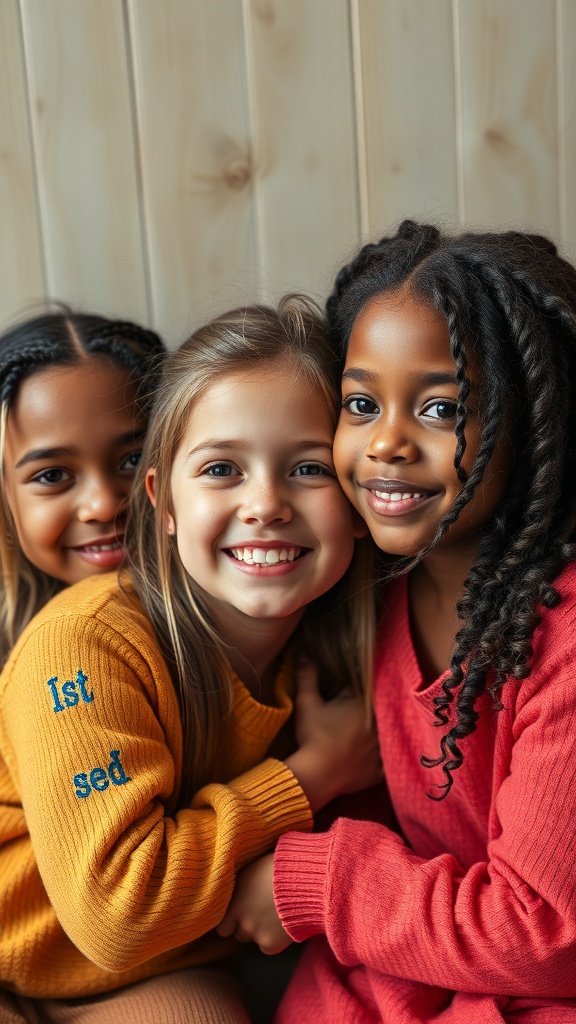
What Do Foster Children Call Their Siblings? Understanding the Terminology
Understanding what foster children call their siblings is essential in fostering a supportive environment. The terminology used by foster children often reflects their unique experiences and relationships, which can differ significantly from those in traditional family structures. In fostering situations, siblings may include biological, adopted, or even close friends. Thus, the terms used can be varied and personalized.
Foster children might refer to their siblings in several ways. The most common designations include:
- Biological Siblings: These are brothers and sisters who share the same parents. In a foster situation, they may still call each other simply “brother” or “sister.”
- Foster Siblings: These are children placed in the same home but do not share biological ties. Foster children often use the same terminology, calling them “brother” or “sister” to reinforce the familial bond they share within the foster home.
- Step-Siblings: In cases where the foster home is formed due to blended families, the terms “step-brother” or “step-sister” may be used to identify those connections.
- Close Friends: Sometimes foster children become very close to their peers who may live in nearby homes or have similar backgrounds. These friendships can develop into sibling-like bonds, resulting in terms like “brother” or “sister” being used informally.
- Alias Names: Given the emotional nature of foster care, some foster children may adopt unique or made-up names for their siblings. This can be a way of asserting individuality and creating a special bond.
The importance of using inclusive language cannot be overstated. Using terms that embrace all kinds of relationships fosters a sense of belonging and stability. For many foster children, being in a new environment can be disorienting, and familiar language can help mitigate feelings of loss and anxiety.

Children in foster care may need to navigate complex family dynamics. Using the word “sibling,” for example, signals to them that they are not alone in their journey. For many, the concept of family expands beyond traditional definitions. By acknowledging each other’s roles and titles, foster children can develop a stronger emotional connection and support network.
Creating a safe space for these connections is vital. It’s essential to encourage foster children to express their feelings and refer to one another in the terms they find most comfortable. Foster parents play a crucial role in this process. They can foster open discussions about familial terminology, allowing the children to adjust their references based on their feelings and experiences.
Furthermore, understanding the emotional weight behind these terms can yield significant benefits. If a foster child chooses to call another child “brother” or “sister,” it often indicates a deep emotional investment. Recognizing and validating their choices reinforces their emotional security. It shows them that their relationships are valued, whether through biological ties or through shared experiences.
-Could You Be A Foster Carer? Read More – https://fostercareagencies.co.uk/is-fostering-for-you
Foster children might also face challenges when integrating into new families. If siblings have different placements, they may find it difficult to maintain their connections. However, by choosing to call each other “brother” or “sister,” they can preserve a sense of unity despite physical separations. This act helps in creating a shared identity even when they are apart.
It’s crucial to remember that every child is unique. The terms they use may change over time as their experiences and feelings evolve. What is relevant in one phase of their life may transform as they grow and encounter new situations or relationships.
The way foster children refer to their siblings carries emotional significance and reflects their experiences within family dynamics. Whether through biological ties, foster placements, or supportive friendships, the choice of terminology matters. Encouraging inclusive language helps foster children build strong support systems that last a lifetime.
The Emotional Bond Between Foster Siblings: Building Relationships
Foster siblings often share a unique set of circumstances that shape the emotional bond they create with one another. These connections can be fundamental in fostering a sense of belonging and support for each child. In the world of foster care, where stability may sometimes feel out of reach, the relationships formed between siblings can be a source of comfort and strength.
The emotional bond between foster siblings can flourish in various ways. Understanding these dynamics can help caregivers foster healthy relationships among the children, creating an environment that nurtures these connections. Here are several factors that contribute to building strong ties between foster siblings:
- Shared Experiences: Foster siblings often undergo similar challenges, including adjusting to new environments and navigating the complexities of their situations. This common ground can foster empathy and understanding.
- Support Systems: In times of uncertainty, having a sibling to lean on can provide immense comfort. They can offer each other reassurance and a listening ear, reducing feelings of isolation.
- Creating Memories: Engaging in activities together, like playing games or sharing meals, can pave the way for creating lasting memories. These moments can help build a positive foundation for their relationship.
- Open Communication: Encouraging candid conversations about feelings and experiences can strengthen the emotional bond. Having a space where they feel safe to express themselves can enhance understanding and connection.
The roles that foster children take on can significantly influence their relationships. Children in a foster setting may view each other in various ways, from best friends to protective older siblings or even as rivals. It’s essential for caregivers to recognize these roles and help children navigate them. For example, a foster child who often assumes the role of a caregiver may need support in learning to also express their needs and feelings, ensuring a balanced relationship.
-Could You Be A Foster Carer? Read More – https://fostercareagencies.co.uk/is-fostering-for-you
Moreover, the language that foster children use to refer to each other can indicate the nature of their bond. Some may simply call each other “brother” or “sister,” emphasizing their familial connections. Others may choose playful nicknames, which can signify a deeper attachment and affection. The names they select reflect their unique relationship and the comfort they find in one another.
It’s also important to acknowledge that not all relationships among foster siblings develop smoothly. Some children may feel jealousy, resentment, or insecurity, especially if they perceive a favoritism from caregivers. Addressing these negative feelings is crucial. Caregivers can help foster children understand their emotions, encourage open dialogue, and create a nurturing atmosphere that promotes healing.
Building emotional bonds takes time, particularly for children grappling with transitions. Patience is critical. Foster parents and caregivers can help by:
- Promoting teamwork: Including siblings in group activities can encourage cooperation and deepen their bond.
- Leading by example: Showing healthy communication and conflict resolution can teach children how to navigate their relationships positively.
- Encouraging play: Engaging in fun and playful interactions can bring laughter and joy into their lives, helping them bond naturally.
- Celebrating milestones: Recognizing achievements together can provide a sense of unity and pride, reinforcing their emotional ties.
The emotional bond that develops between foster siblings is vital to their overall well-being. Fostering healthy relationships creates a foundation of trust, love, and resilience. These connections can significantly impact their development, leading to better emotional regulation, improved social skills, and increased self-esteem.
Ultimately, the goal for caregivers is to create a safe space where foster siblings can grow together as a family. Encouraging the formation of these emotional bonds can help fortify their relationships, making each child feel more secure and more at home in their environment, regardless of the changes they face.
-Could You Be A Foster Carer? Read More – https://fostercareagencies.co.uk/is-fostering-for-you
The emotional connections between foster siblings are incredibly valuable and worth nurturing. Understanding the complexities of these relationships can provide insights that help strengthen the bond between foster children, making their journey through foster care more manageable and fulfilling.
Challenges Foster Children Face in Creating Family Connections
Foster children often experience a unique set of challenges when it comes to forming and maintaining family connections. Many of these children enter the foster care system due to circumstances that disrupt their original family dynamics. As a result, they often struggle to create new connections with their foster families and their foster siblings. This article explores the challenges they face in building these relationships and ways to help foster children navigate through them.
One of the major obstacles foster children encounter is the emotional turmoil associated with separation and loss. When a child leaves their biological family, they may feel a strong sense of grief and abandonment. This can lead to distrust and reluctance to open up to new family members, including foster siblings. The following factors contribute significantly to this emotional barrier:
- Previous Traumas: Many foster children come from backgrounds filled with trauma, such as neglect or abuse, which can impact their ability to connect with others.
- Fear of Rejection: Having already faced rejection from their biological families, children may worry that their new families will also abandon them.
- Difficulty in Expressing Emotions: Foster children may struggle to communicate their feelings, making it hard for them to connect with others.
Another significant challenge lies in the transition between different foster homes or placements. Children may move frequently, disrupting any budding connections with siblings or caregivers. Each transition can reset their emotional progress. The anxiety associated with moving can further hinder their ability to bond with new siblings, as they might have trouble trusting a new family environment.
Involving a child in family dynamics can also be a double-edged sword. While some foster children may find it heartwarming to be included in family activities, others might feel like an outsider. Integrating comfortably into a new family requires time and patience:
- Feeling Like an Outsider: Foster children may feel different from their foster siblings, which can make them feel isolated even when surrounded by family.
- Different Experiences: Foster siblings may have different experiences or backgrounds, creating a disconnect.
- Immediate Bonds vs. Time: While some children quickly bond with one another, others may take several months or even years to form connections.
Moreover, the lack of consistent emotional support can play a pivotal role in the challenges foster children face in creating family connections. Regular therapy or counseling can help children work through their feelings and improve their relationships with siblings. However, not all foster placements provide access to these services. Without the necessary support, a child might struggle to manage their emotions, complicating familial relationships even further.
-Could You Be A Foster Carer? Read More – https://fostercareagencies.co.uk/is-fostering-for-you
Another challenge to consider is the role of communication. Foster children may not have the same communication skills as their peers. Whether due to age or background, some children find expressing their thoughts and feelings daunting. This inability can lead to misunderstandings within the family, causing further feelings of isolation. Active listening, encouragement, and patience from foster siblings can help overcome this hurdle.
Establishing a family connection takes time and effort. It is essential for caregivers to create a nurturing environment where foster children feel safe and valued. Here are a few strategies that can support the development of these relationships:
- Encourage Open Communication: Create an environment where all family members feel comfortable sharing their thoughts and feelings.
- Participate in Team-building Activities: Engage in fun activities that foster teamwork and communication among the children.
- Normalize the Experience: Help children understand that it’s natural to have mixed feelings about family connections. This can foster openness.
- Provide Emotional Support: Regular check-ins from caregivers can help foster children express their feelings and build trust.
While foster children face numerous challenges in creating family connections, understanding these struggles opens up avenues for improved support and empathy. By providing a loving, stable environment and fostering communication, caregivers can help bridge the gap and build meaningful connections among siblings. This nurturing approach is vital for offering foster children the family ties they deserve.
The Role of Foster Parents in Facilitating Sibling Relationships
The importance of sibling relationships cannot be overstated, especially for children in foster care. Foster parents play a pivotal role in filling the gaps created when siblings are separated due to circumstances beyond their control. Understanding how foster parents can facilitate sibling relationships is essential in creating a nurturing and supportive environment for these children.
Foster children often feel a strong bond with their biological siblings, even when they are placed in different homes. Foster parents can help maintain and strengthen these bonds through various supportive actions. Here are some ways they can facilitate sibling relationships:
- Encourage Communication: Regular communication between siblings is crucial. Foster parents should utilize phone calls, video chats, or written letters to help siblings stay connected. It is important for children to know that their family ties remain strong, even when living apart.
- Facilitate Visitations: Whenever possible, foster parents should arrange visits between siblings. These meetings provide an opportunity for the siblings to reconnect and engage in shared activities that can help solidify their bond.
- Share Family Stories: Talking about shared memories can help foster children feel connected to their siblings. Foster parents can share stories about their children’s backgrounds, which can lead to discussions that promote understanding and empathy.
- Create a Family Support Network: Building a network of supportive adults, such as social workers and counselors, can provide foster parents with resources to help manage sibling relationships. This network can provide guidance and mediation when challenges arise.
- Respect Their Unique Relationships: Each sibling relationship is unique. Foster parents should take the time to understand these dynamics and honor them. This means being mindful of individual personalities and encouraging healthy interactions that nurture fond feelings.
The emotional and psychological well-being of foster children greatly benefits from having a foster family that is committed to facilitating sibling connections. Moreover, understanding the significance of these relationships can influence how foster parents approach the parenting process.
-Could You Be A Foster Carer? Read More – https://fostercareagencies.co.uk/is-fostering-for-you
Maintaining sibling relationships can help foster children cope with the changes and challenges in their lives. Often, siblings share experiences that help them navigate the complexities of being in foster care. Acknowledging those shared experiences is foundational in helping them manage their emotions and find comfort in their bond. For this reason, foster parents must prioritize sibling relationships and actively participate in nurturing those connections.
Effective communication is key. Foster parents should listen to the children’s thoughts and feelings about their siblings. It can be beneficial to encourage children to express themselves openly about their desires to maintain a relationship with their brothers or sisters. This not only fosters honesty but helps children feel heard and validated in their emotions. It’s essential for foster parents to discuss any fears or hesitations that children may have regarding their sibling relationships. By having these conversations, children will feel supported and can express their feelings freely.
In addition to emotional support, practical steps can enhance sibling connections. This includes scheduling regular opportunities for siblings to interact, either in person or virtually. Having dedicated time to share experiences, whether it’s through playing games or working on art projects together, reinforces their bond. It also provides a sense of normalcy in their otherwise uncertain lives.
Foster parents should also recognize the importance of creating a safe space where siblings can share their feelings and connect without barriers. This includes ensuring that each child feels valued and loved as an individual while also promoting their identity as part of a sibling set. Celebrating birthdays or significant milestones together can foster wonderful memories that they will cherish.
Encouraging siblings to take part in family activities builds a sense of inclusion while reinforcing their connection. Simple traditions like family movie nights, game nights, or even shared cooking sessions can create shared experiences that go a long way in strengthening sibling bonds.
-Could You Be A Foster Carer? Read More – https://fostercareagencies.co.uk/is-fostering-for-you
Foster parents undoubtedly hold the key to nurturing these special relationships. Their proactive measures can make a significant impact on the emotional healing and growth of foster children. By fostering connections between siblings, foster parents not only aid in the adjustment of children in their care, but they also enrich the family dynamics and overall well-being of each child.
How to Support Foster Children in Navigating Their Sibling Dynamics
Foster children often find themselves in complex and evolving family dynamics, particularly when it comes to their siblings. These relationships can significantly impact their emotional well-being. Understanding how to support foster children in navigating their sibling dynamics is crucial for foster parents, social workers, and advocates.
One essential aspect is recognizing that sibling relationships can vary greatly in foster care. Some foster children may have biological siblings with whom they were placed, while others might have foster siblings. The connection can feel different based on their shared experiences, and understanding these nuances helps in providing appropriate support.
Here are several ways to support foster children in managing their relationship with siblings:
- Encourage Open Communication: Foster children should feel safe expressing their feelings about their siblings. Create a space where they can talk about their joys, concerns, and fears. This opens the door for discussion and fosters emotional intelligence.
- Normalize Their Experience: Help them understand that sibling relationships can be complicated for everyone, not just in foster care. Sharing relatable stories or examples can reassure them that their feelings are valid.
- Promote Bonding Activities: Organize family activities that encourage sibling bonding. This could be as simple as game nights, outdoor adventures, or creative arts and crafts sessions. The key is to engage them in cooperative activities where they can rely on one another.
- Respect Individual Relationships: Recognize that each sibling relationship is unique. Take the time to understand their individual needs and dynamics. Encourage them to have their own time together apart from other siblings if they wish.
- Be a Mediator When Needed: Sibling disputes are a natural part of growing up. Instead of choosing sides, listen carefully to both voices. Help them find a resolution, teaching important problem-solving skills along the way.
- Monitor Changes: Transitions, like moving to a new home or school, can impact sibling relationships. Keep an eye on their interactions during significant changes and be vigilant about any shifts in behavior.
- Support Emotional Expression: Encourage foster children to express their emotions in healthy ways. Consider offering tools such as journals or art supplies, where they can process what they are feeling about their siblings.
It’s also important to acknowledge that not all foster sibling experiences are positive. Some children may have been separated from their biological siblings and experience feelings of loss and longing. In such cases, support becomes even more vital.
Being proactive about sibling relationships can lead to greater emotional security for foster children. Make it clear that their connections, whether biological or foster, are important. Celebrate their relationships and support their growth.
-Could You Be A Foster Carer? Read More – https://fostercareagencies.co.uk/is-fostering-for-you
In complicated family situations, provide age-appropriate explanations about the nature of foster care and the potential for sibling reunification. This can help children feel more in control of their emotional landscape.
Consider the following strategies to instill a sense of belonging:
- Create Family Traditions: Establishing unique family traditions can foster a sense of unity among siblings. This could be an annual outing, a specific meal shared every month, or a movie night where everyone selects a favorite film.
- Provide Stability: Children thrive in stable environments. Consistency in routines can help them feel secure, making it easier for sibling bonds to strengthen.
- Encourage Peer Interactions: Arrange for siblings to interact with other children their age. Fostering friendships outside the family can relieve pressure and help facilitate positive familial relationships.
Foster children have unique stories shaped by their experiences. By focusing on positive sibling dynamics, caregivers can help these children foster resilience and emotional bonds that will last a lifetime. Creating a nurturing environment where siblings can learn, grow, and express themselves is key to helping them flourish in their new family settings.
Your support as a caregiver can make a significant difference in the sibling relationships of foster children. Listen actively, engage in their lives, and cultivate an environment of understanding. In doing so, you contribute not only to the well-being of the individual children but also to the sentiment of family unity that all children deserve.
Conclusion
Foster children often have unique ways of identifying their siblings, reflecting the bond they share despite their sometimes complicated circumstances. Understanding what foster children call their siblings can provide insight into their emotional worlds and the deep connections they form. These relationships are crucial, as they offer stability and love amidst chaos. However, navigating these sibling dynamics can present significant challenges, including feelings of loss or separation when not all siblings are placed together.
Foster parents play a vital role in facilitating these relationships, helping children strengthen their emotional ties. By encouraging open communication and shared experiences, they can bridge the gaps that displacement may have caused. Supporting foster children in navigating these dynamics is equally important; simple gestures like family activities or sibling outings can reinforce their bonds and create lasting memories.
-Could You Be A Foster Carer? Read More – https://fostercareagencies.co.uk/is-fostering-for-you
Ultimately, fostering healthy sibling relationships can lead to better emotional outcomes for foster children. By acknowledging their specific terminology and actively engaging in their emotional well-being, foster parents, social workers, and the community can contribute to creating a nurturing environment. Recognizing the importance of these sibling connections is essential for the growth and stability of foster children as they transition through their journeys. Together, with understanding and support, foster siblings can thrive, ensuring that their relationships are valued and cherished, even in the face of adversity.